
HEALTHY LIFESTYLE GUIDE:
A Healthy Lifestyle Guide to Calories, Food Quality, and Meal Timing
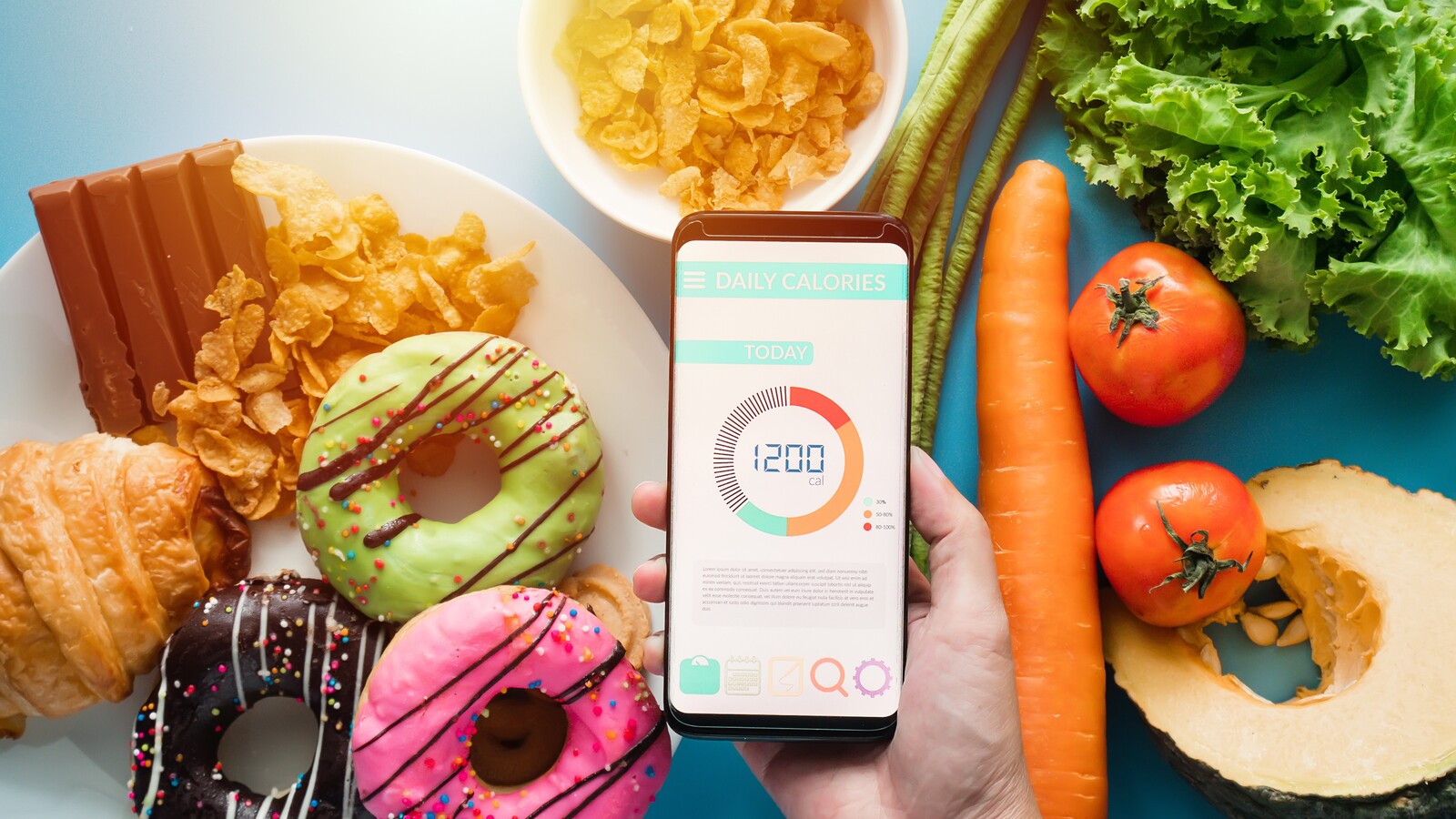
Looking Beyond the Calorie Total
This healthy lifestyle guide looks beyond calorie totals to consider food quality, protein, fats, carbohydrates, appetite, meal timing, and the practical choices that shape a sustainable nutrition routine.
1,000 calories of “Skittles” and 1,000 calories of grass-fed steak do not have the same macronutrient or micronutrient profile, glycemic effect, effect on appetite, mood and energy.
Quality, quantity, and frequency of calories all play a major role in whether you burn glucose or fat for fuel and whether your cells have the raw materials needed for repair.
Here are three tips to consider for fat burning over sugar burning:
1. FOCUS ON NUTRIENT DENSE FOOD
Focus on eating more nutrient dense food - whole foods vs processed foods (whole eggs instead of cereal or a bagel for breakfast) - eat fruit instead of drinking fruit juice - sweet potato baked with butter or avocado oil instead of French fries fried in seed oils
2. INTERMITTENT FASTING
Intermittent fasting - Skip meals periodically burning through carbohydrate stores to start burning body fat for fuel
3. EAT HIGHER PROTEIN AND GOOD FATS
Eat a higher protein and good fat diet, limit refined carbs (bread, pasta, sugar) and favor fats like avocado, coconut, olive, butter and beef tallow instead of margarine or vegetable oils.
Article originally published in Stamford City Lifestyle Magazine by Daniel Pachter.
Build a Nutrition Plan Around Food Quality and Your Goals
Pure Conditioning’s nutrition consulting turns the principles in this healthy lifestyle guide into practical decisions about food quality, meal timing, protein, fats, carbohydrates, accountability, and your body-composition or performance goals.
Explore Nutrition Consulting