Assisted Stretching
in Stamford, CT
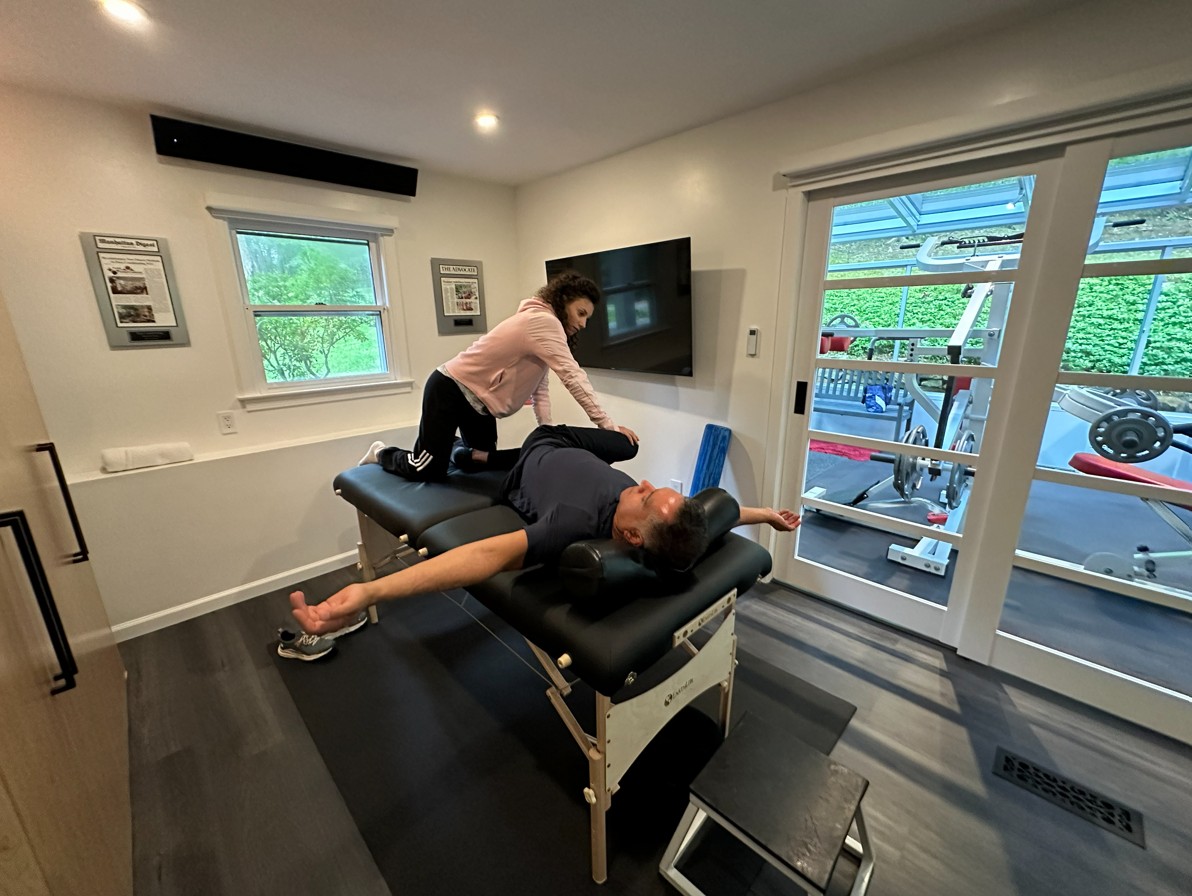
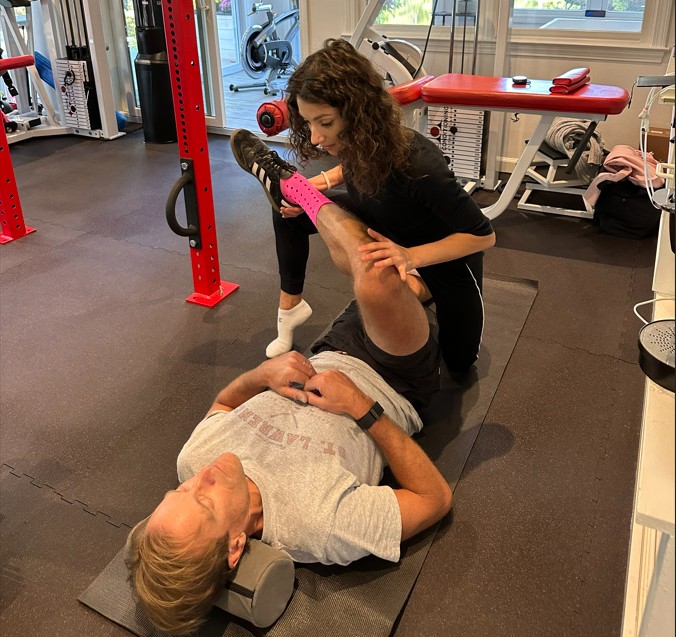
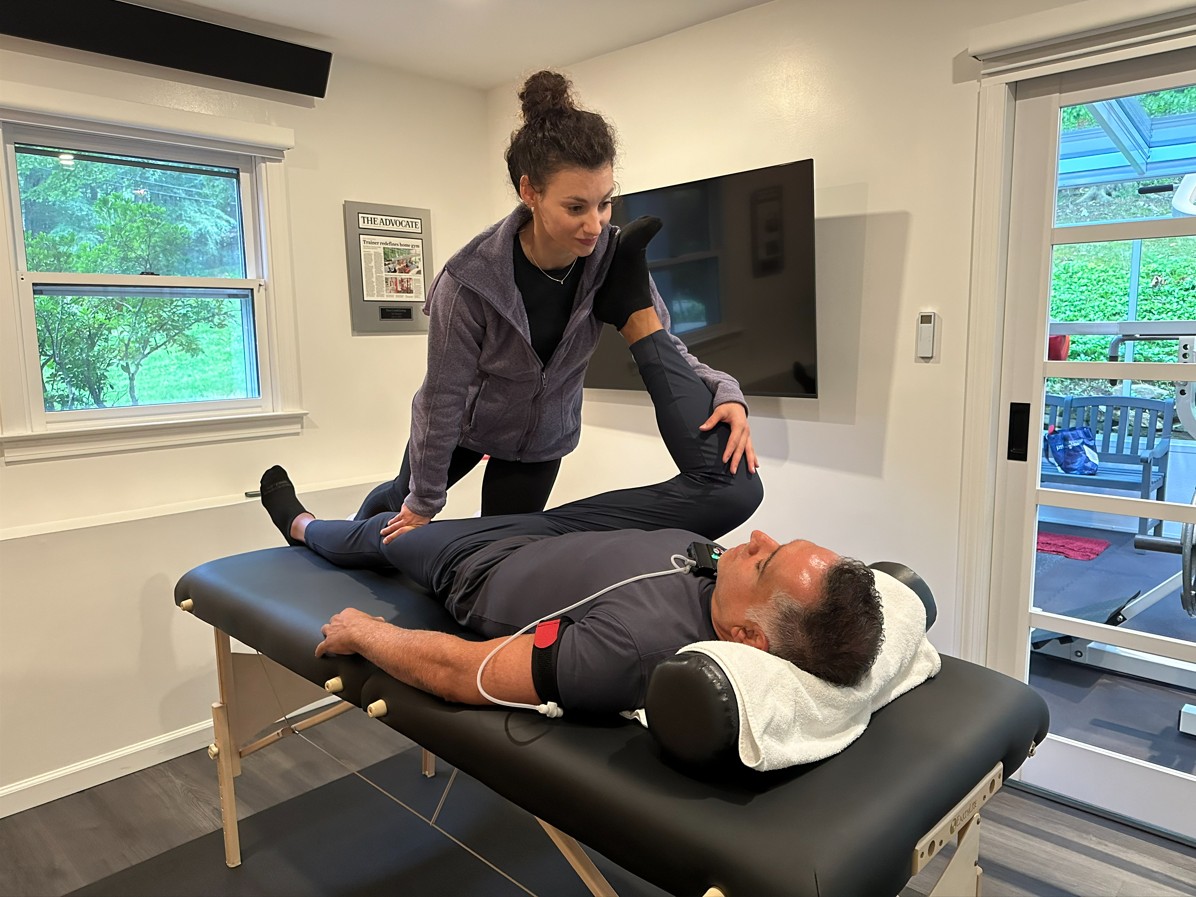
Assisted stretching in Stamford, CT designed to support flexibility, range of motion, movement quality, and a more structured mobility routine, with each session adjusted around your current comfort, mobility, and known limitations.
Get StartedWhat Does Assisted Stretching Do?
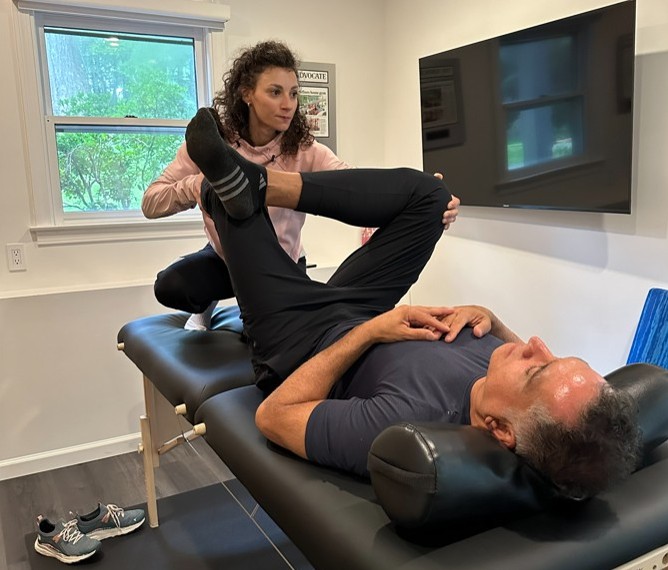
Mobility
Support
Guided stretching designed to support flexibility, comfort, and better movement quality.
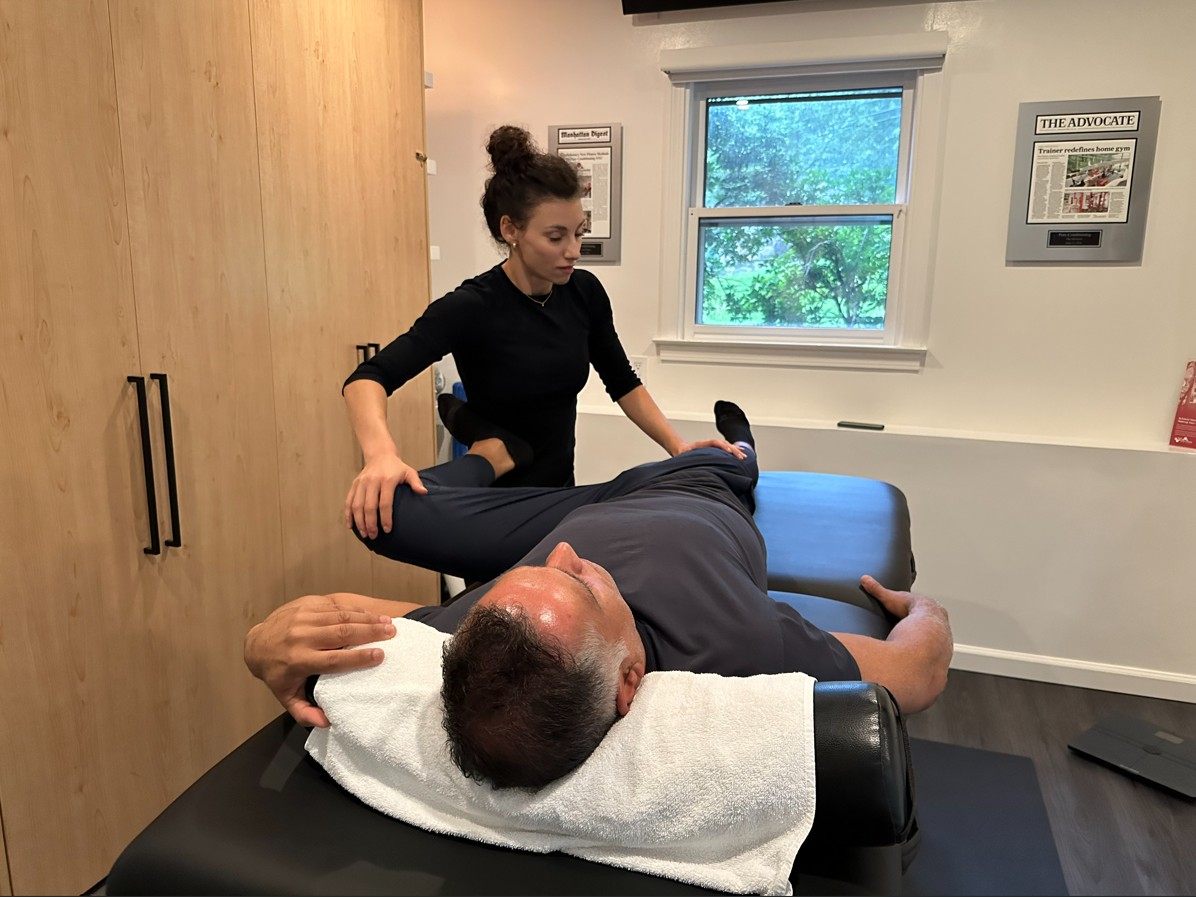
Built Around Your Body
Each session is adjusted around your mobility, comfort, known limitations, training routine, and goals.
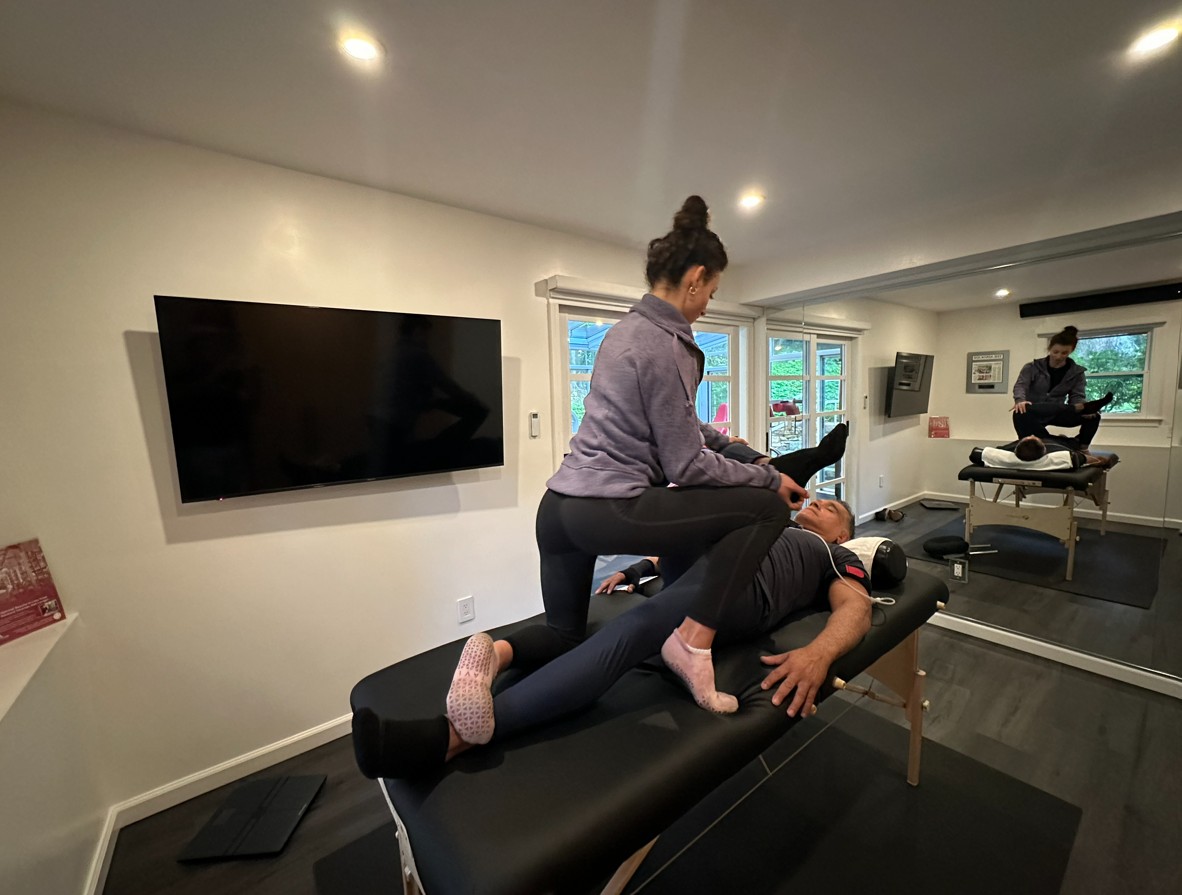
More Than Basic
Stretching
A structured approach to flexibility, range of motion, recovery support, and movement consistency.
Stretch With Control, Not Through Pain
Assisted stretching should feel controlled and supportive, not painful or forced. Share recent injuries, surgery, joint instability, pregnancy-related restrictions, numbness, swelling, or unexplained pain before the session so the approach can be adjusted or deferred.
Stop if a stretch causes sharp pain, tingling, numbness, dizziness, or worsening symptoms. Assisted stretching is a fitness and mobility service; it does not diagnose injuries or replace medical care or physical therapy.
Assisted Stretching Backed by Experience
Exercise Physiology
A more informed approach shaped by movement science, recovery principles, and hands-on coaching experience, using controlled positions rather than forcing range of motion.
Better Movement
Stretching support designed to help you move more comfortably and build usable range of motion.
Movement Consistency
Focused mobility work that can complement training, recovery, and a consistent movement routine.
Benefits of Assisted Stretching in Stamford
Better Flexibility
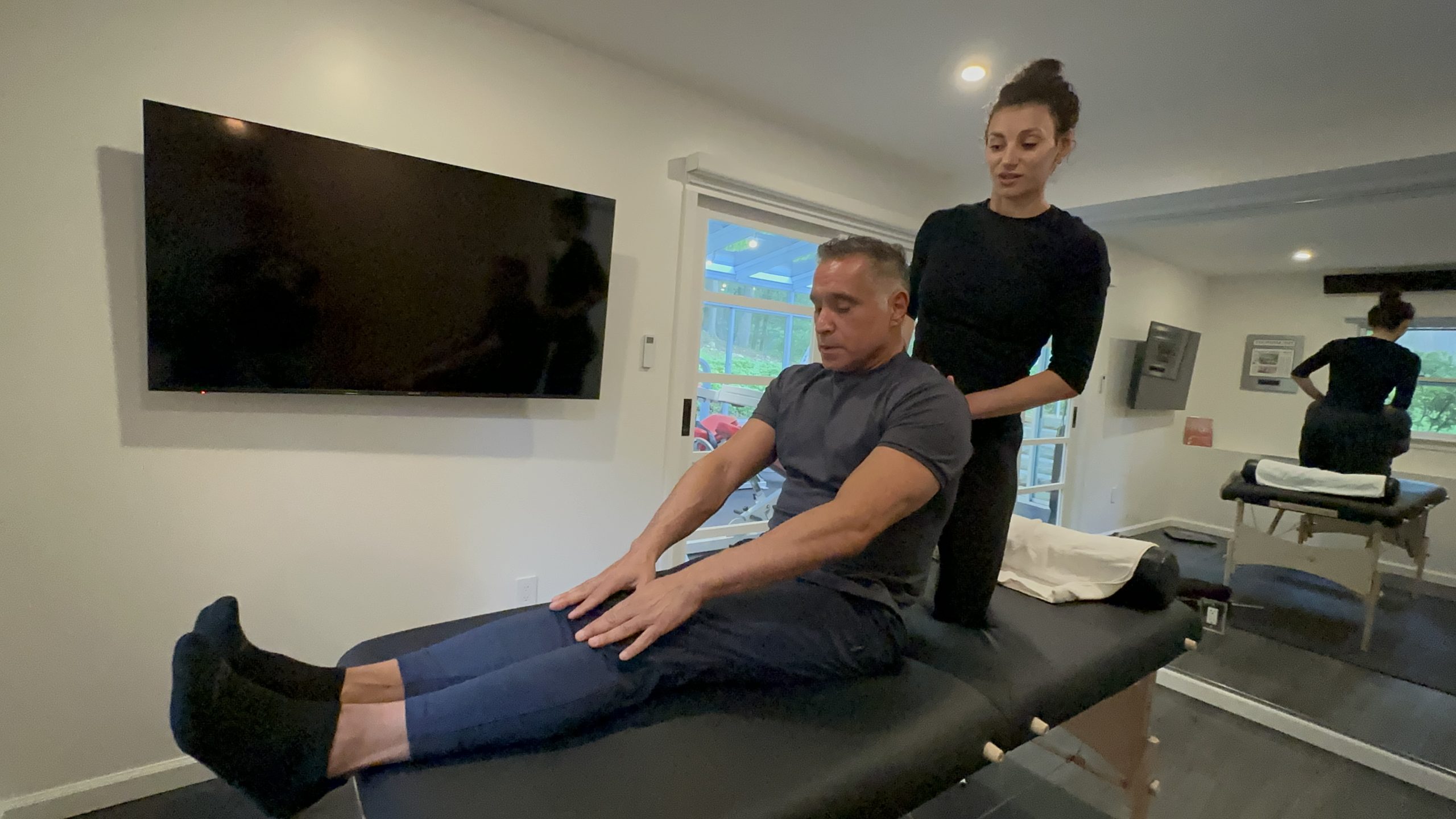
Guided assisted stretching can support flexibility and comfortable range of motion over time.
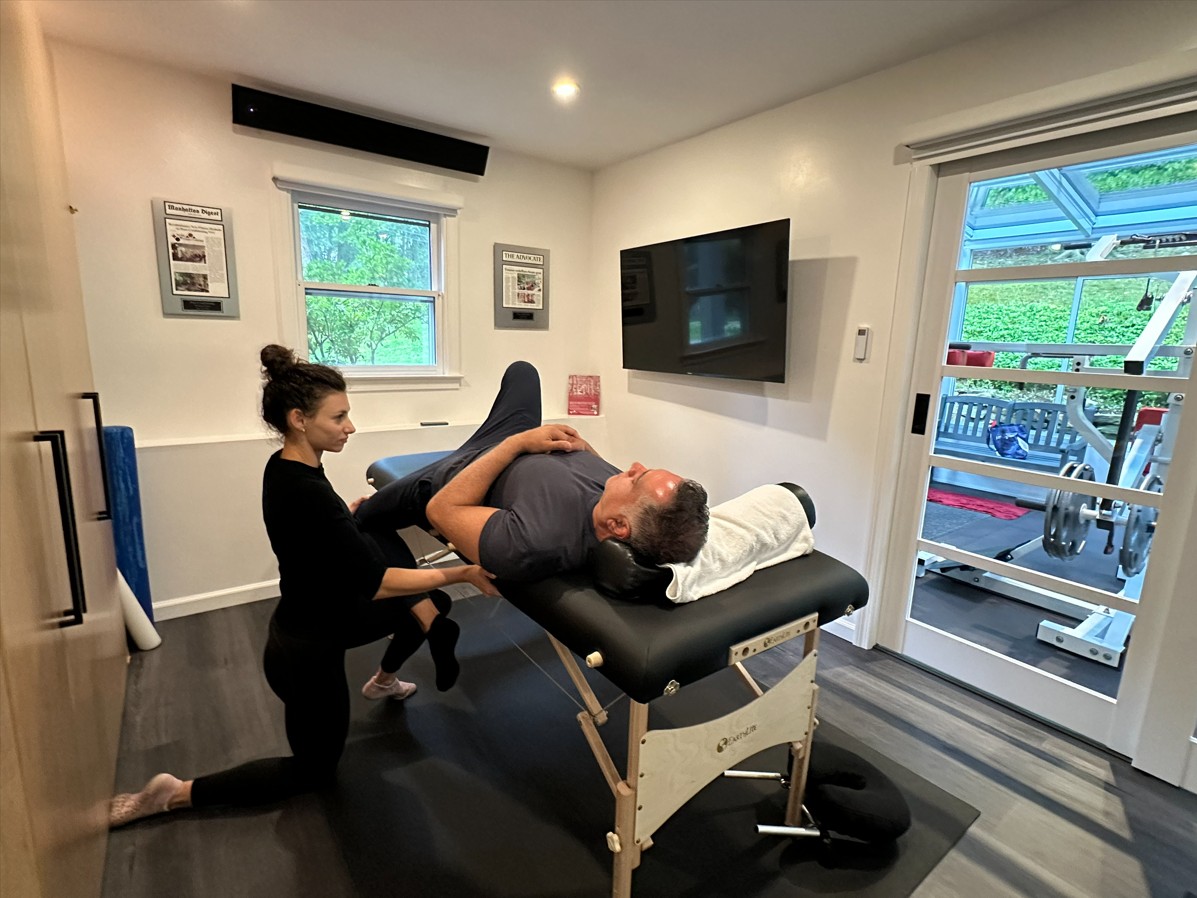
Recovery Focus
A controlled mobility session can complement training and help you establish a more deliberate recovery routine without pushing through sharp pain or worsening symptoms.
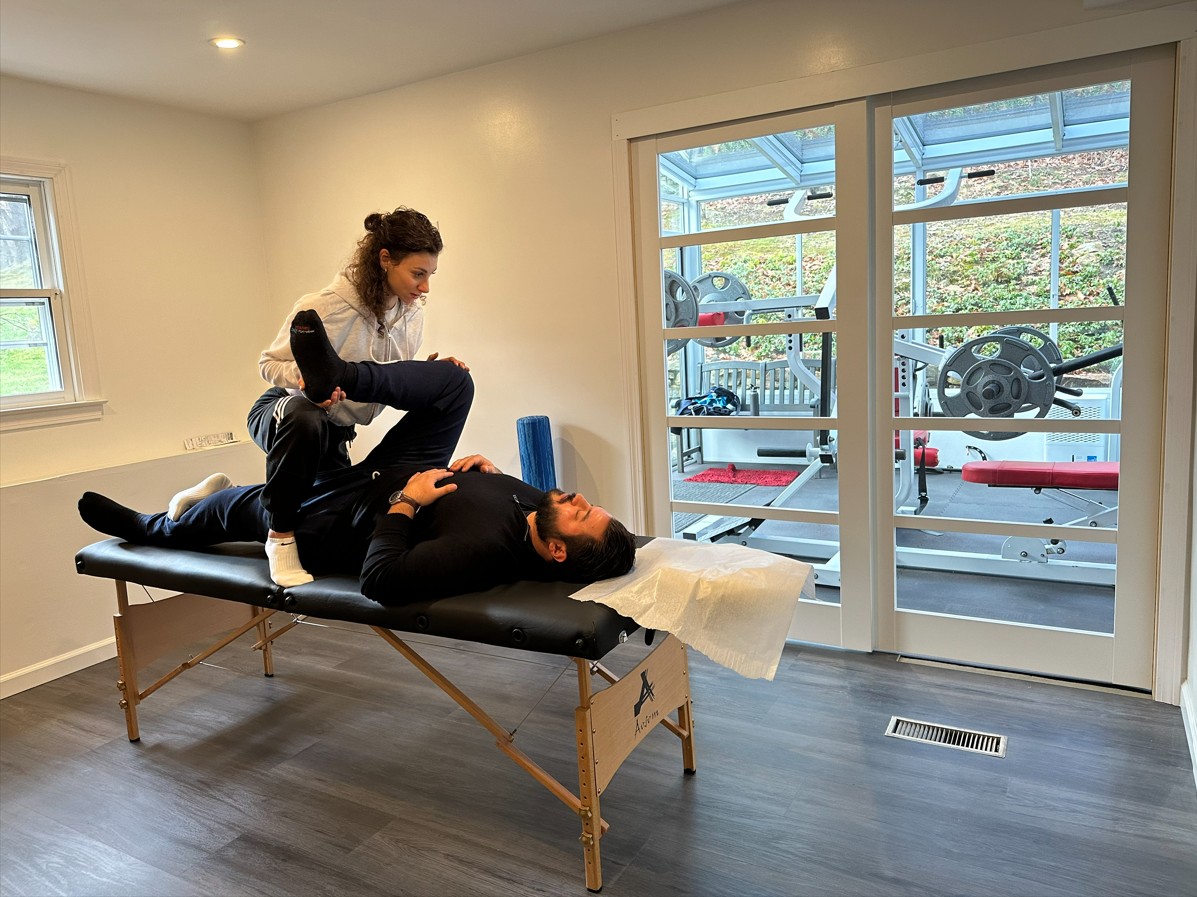
Training Support
Mobility work can be coordinated with your workouts, limitations, and long-term movement goals.
What to Expect From Assisted Stretching
Results vary by starting point, consistency, health history, and activity level. Assisted stretching is intended to support mobility and flexibility within a broader plan that may include strength training, recovery, and medical care when appropriate.

A More
Structured Mobility Routine

Guided Stretch Intensity

Support for
Better Flexibility

Greater Range-of-Motion Awareness

Movement Work Based
on Your Goals

A Controlled
Stretching Pace

Support Around
Current Limitations

More Comfortable
Daily Movement

Mobility That
Complements Training

A Consistent
Flexibility Practice

Better Communication
During Stretching

A Personalized
Starting Point

Support Between
Training Sessions

More Deliberate
Recovery Work

Clearer Mobility Priorities

Less Reliance
on Random Stretching

A Private
One-on-One Setting

Long-Term Movement Consistency
Assisted Stretching Shouldn’t Be...
Random
Stretching
Forced
Flexibility
Quick
Relief Only
Trusted By
Clients
Who Expect More
“I have been a client for about 7 years. Now, at the age of 71, I am in better shape than I was thirty years ago... Pure Conditioning is very different. Dan is highly trained in exercise science.”
PETER LOPATIN
“I have been a client of Pure Conditioning for the past 13 years... a great way to deal with the reality of wanting to stay in shape notwithstanding a very busy work schedule.”
CHET KERR
“Dan and his team truly helped me transform my body and mindset. His individualized treatment and attention to detail were outstanding.”
STAMFORD SPORTS &
SPINE
Assisted Stretching Frequently Asked Questions
It may be a useful option when stiffness, tightness, or limited mobility makes movement feel restricted. Sessions are guided around your current mobility and goals rather than applying the same stretches to everyone.
No. Assisted stretching should feel controlled and supportive, not sharp, painful, or forced. Communication during each stretch helps the practitioner adjust the position and intensity. Stop the stretch if you experience sharp pain, tingling, numbness, dizziness, or worsening symptoms.
No. Assisted stretching can complement personal training, but it can also be used as a separate mobility service for clients seeking more structure around flexibility and movement quality.
Check first if you have a recent injury or surgery, unexplained or severe pain, joint instability, numbness or tingling, significant swelling, osteoporosis, pregnancy-related restrictions, or another condition that may affect safe stretching. Assisted stretching is a fitness and mobility service; it does not diagnose injuries or replace medical care or physical therapy. This list is not exhaustive.